If you suddenly notice flashes of light or a significant increase in floaters in your vision, it can be unsettling. Many people dismiss these changes as a normal part of aging or eye fatigue, but in certain situations, these symptoms can be the first warning sign of a serious retinal condition that requires immediate attention. Understanding why these visual disturbances occur and knowing when to seek help can protect your vision and overall eye health.
What Are Flashes and Floaters?
Flashes are brief streaks or bursts of light that appear in your field of vision, often most noticeable in low light or with your eyes closed. Floaters, on the other hand, are tiny spots, squiggles, or cobweb-like shapes that drift across your vision, especially when looking at a bright, uniform background like a clear sky or a computer screen. Floaters are often caused by normal age-related changes in the vitreous, the gel-like substance inside your eye.
When Flashes and Floaters Signal an Urgent Problem
While occasional floaters are common and usually harmless, a sudden onset of flashes or a dramatic increase in floaters can indicate a more serious issue. The most concerning cause is a retinal detachment, where the retina pulls away from its normal position at the back of your eye. This is a sight-threatening emergency. Other potential causes include retinal tears or vitreous hemorrhage. Warning signs that require immediate evaluation include:
-
A sudden shower of new floaters.
-
Brief but repeated flashes of light.
-
Loss of peripheral (side) vision, appearing as a shadow or curtain.
-
Sudden decreased vision or distorted images.
If you notice any of these symptoms, you should not wait for your next routine eye exam. Quick action can mean the difference between saving your vision and permanent loss.
Who Is Most at Risk?
Certain groups in Minneapolis may be at increased risk for retinal problems resulting in flashes and floaters:
-
People over the age of 50, as the vitreous typically becomes more liquid with age.
-
Those with high nearsightedness (myopia).
-
Individuals who have had prior comprehensive eye exams indicating retinal thinning or degeneration.
-
People with a history of eye trauma or previous eye disease management.
-
Those who have recently had eye surgery or laser treatment.
Climate factors, such as the bright reflections from winter snow or the frequent use of digital screens indoors during colder Minnesota months, may also make these symptoms more noticeable.
What to Expect During an Urgent Eye Exam
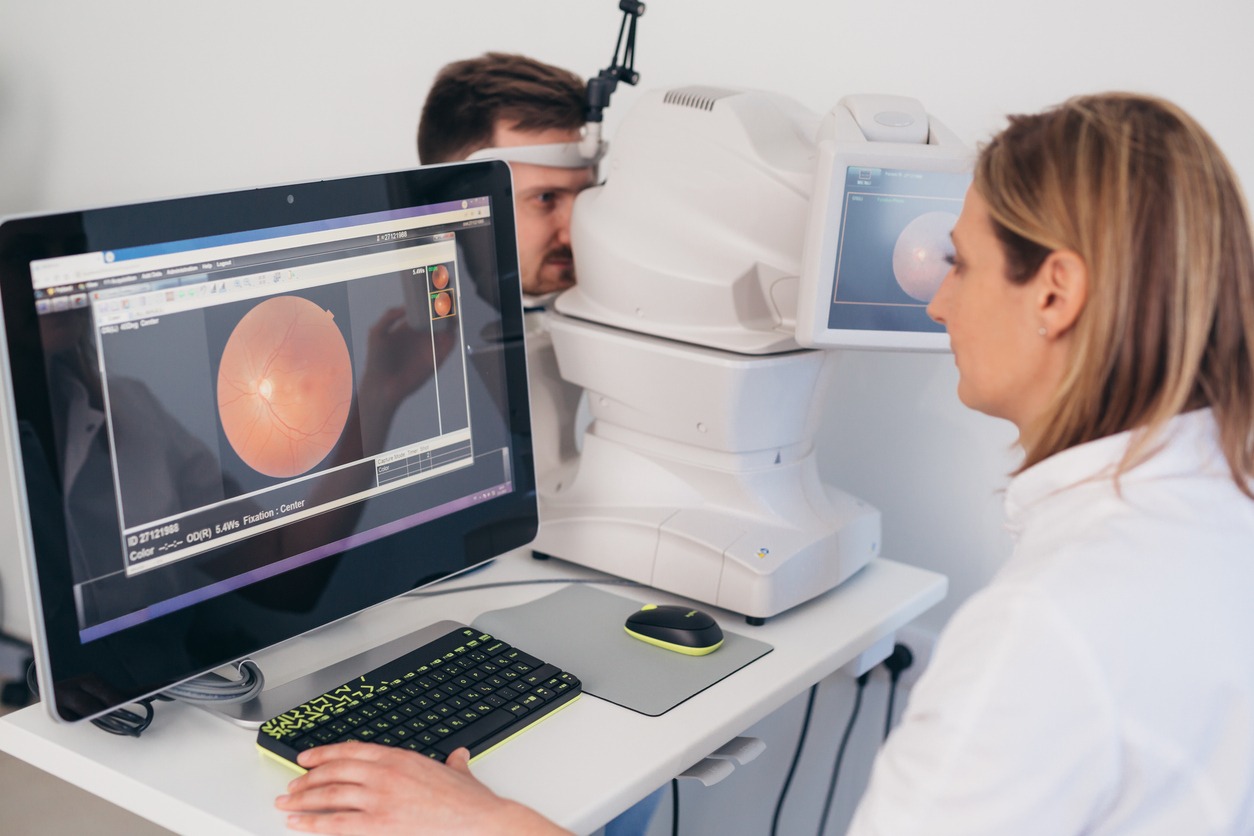
If you seek emergency eye care from a local provider like Downtown Eyes, you can expect a thorough and prompt assessment. The optometrist will:
-
Ask detailed questions about your symptoms and overall health.
-
Dilate your pupils to carefully examine the retina and vitreous.
-
Use advanced imaging if needed to spot tears, holes, or retinal detachments.
Early diagnosis allows for immediate treatment, which may include laser repair, freezing therapy, or surgical referral. The goal is to prevent further damage and preserve your eyesight.
How to Protect Your Eye Health
Early detection and timely care are your best defenses against vision loss. Do not ignore the warning signs. Encourage anyone you know who develops these symptoms to contact a qualified optometrist right away. Stay aware of your own vision and arrange for regular checkups, especially if you fall into a higher risk group.
Schedule Urgent Eye Care in Minneapolis and Richfield
If you experience sudden flashes or an increase in floaters, or if you are concerned about your vision, Downtown Eyes in Minneapolis and Richfield, MN is ready to help. For urgent appointments, call us at 612-333-3937 or fill out our online form. Your eye health is our priority, and our team is dedicated to delivering timely, expert care in the heart of the Twin Cities.
 Dr. Mary Ann Zastrow
 Dr. Mary Ann Zastrow
 Dr. Mary Ann Zastrow