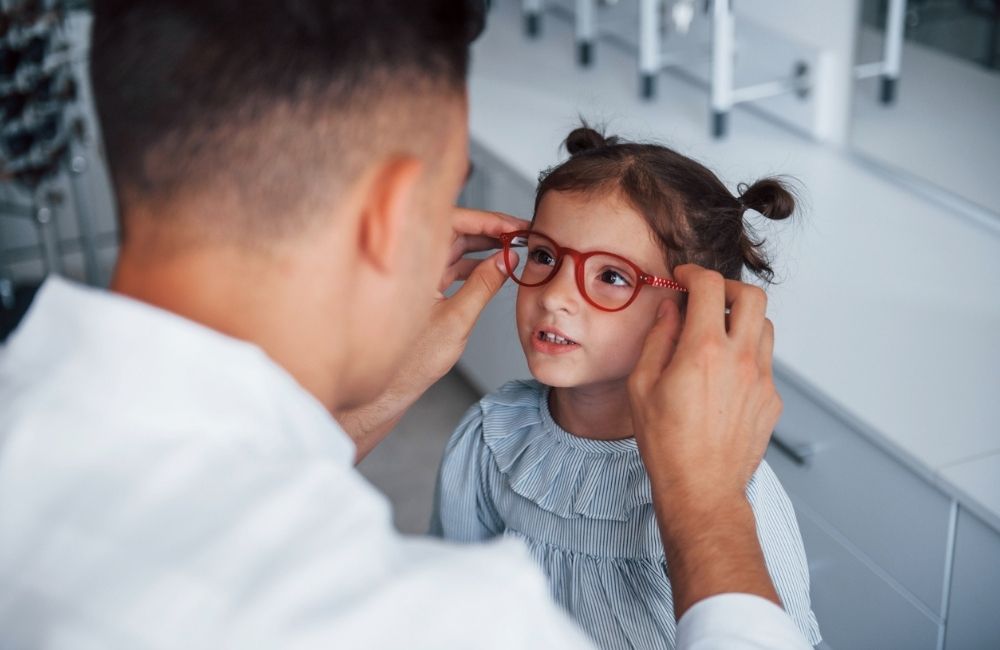
With the prevalence of digital devices and the inevitable aging process, the need for reading glasses has become more universal than ever. Particularly for those navigating the bustling streets and vibrant life in Minneapolis, MN, where fine details in both our work and leisure activities demand our visual attention. Understanding the distinction between prescription reading glasses and their over-the-counter (OTC) counterparts is crucial for safeguarding your eyesight and overall eye health.
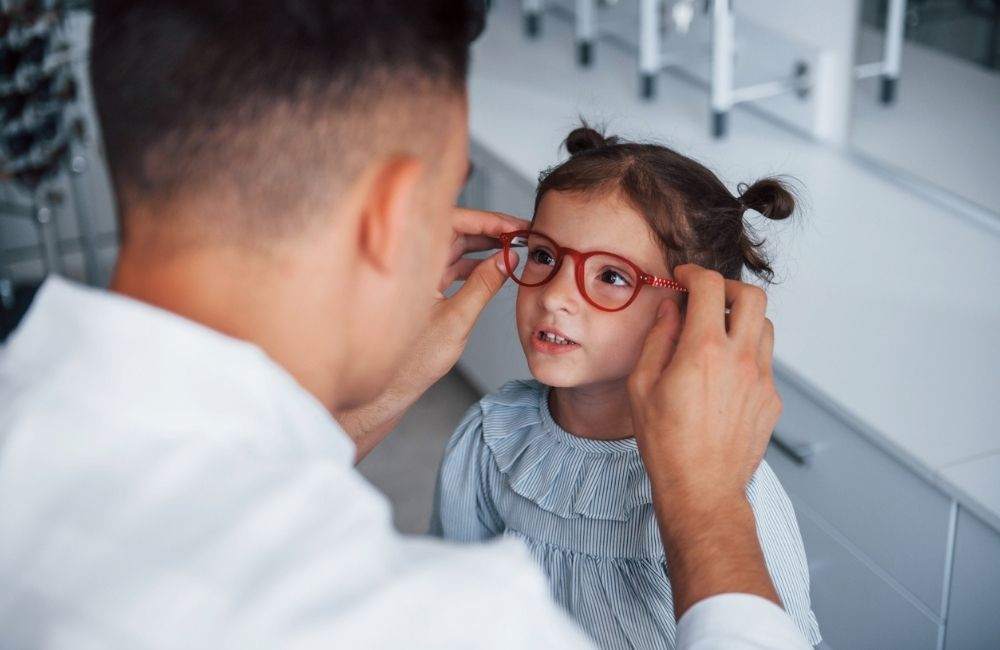
What are Over-the-Counter Reading Glasses?
Over-the-counter reading glasses are readily available at various retail stores without the need for an eye exam. Their primary appeal lies in their affordability and convenience. These readers come in standard magnification levels, usually ranging from +0.50 to +5.00 diopters. The uniform magnification across both lenses aims to provide a quick fix for presbyopia—the age-related difficulty in focusing on close objects.
The Appeal of Prescription Reading Glasses
Prescription reading glasses, on the other hand, are customized to cater to the unique vision needs of an individual. An optometrist or ophthalmologist conducts a thorough eye exam to determine the precise prescription. This personalized approach ensures the lenses correct specific vision issues, potentially including different magnification needs for each eye, and can address additional eye health problems such as astigmatism.
The Quality and Fit Difference
One of the most significant advantages of prescription glasses over OTC readers is the quality of materials and the customized fit. Prescription lenses are typically made from higher-quality materials with options for coatings that can reduce glare, block harmful UV rays, and resist scratches. Furthermore, the frames are fitted by a professional, ensuring optimal comfort and effectiveness.
The Risk of Neglecting Professional Eye Exams
Opting for OTC reading glasses may seem convenient, but it bypasses an essential health check. Regular eye exams can detect early signs of eye diseases, such as glaucoma and cataracts, aside from just updating your lens prescription. Thus, relying solely on OTC readers might delay the diagnosis and treatment of potentially serious eye conditions.
Customization and Additional Options
Prescription reading glasses offer a level of customization far beyond what OTC readers can provide. Apart from the accurate correction for each eye, prescription glasses can come as bifocals, multifocals, or with specific coatings tailored to your lifestyle needs—be it anti-reflective coatings for computer use or tinted lenses to reduce blue light exposure.
Making the Right Choice for Your Eyes
Choosing between prescription and OTC reading glasses should involve considering the long-term health and functionality of your eyes. While OTC readers can be a quick and accessible solution for minor difficulties in reading fine print, they cannot substitute the personalized care and precision offered by prescription eyewear.
Ready to Prioritize Your Eye Health?
At Downtown Eyes, we’re committed to providing comprehensive eye care tailored to your individual needs. If you’re experiencing changes in your vision or just due for your regular check-up, we invite you to connect with our expert team. Protecting your vision begins with making informed choices about your eye care.
To learn more about our services or to schedule an eye exam, please reach out to us at (612) 333-3937 (Minneapolis) or (612) 869-1333 (Crosstown-Richfield). You can also fill out our online form to schedule an appointment. We’re here to ensure your eyes remain healthy and your vision clear, every step of the way. Located in the heart of Minneapolis, MN, Downtown Eyes is your trusted partner in maintaining optimal eye health.
 Alyssa Garry Barzaga
 Alyssa Garry Barzaga
 Alyssa Garry Barzaga